Planning a holiday across multiple countries often feels fragmented. Flights, transfers, hotel changes, and tight schedules take away the joy of travel before the journey even begins. Recent industry data highlights a shift. A 2025 report by Cruise Lines International Association shows 37.7 million travellers are expected to choose cruise holidays, reflecting strong demand for seamless, experience-led journeys. This change is not accidental. Travellers are moving towards journeys that combine destinations without repeated logistics. A well-designed itinerary now matters as much as the destination itself.
In this blog, you will explore the best cruise routes in the world, understand how each journey unfolds across regions, and discover what makes each route distinct. You will also find clarity on how a multi-destination cruise creates a smoother, more rewarding travel experience compared to traditional itineraries.
Salt air, slow mornings on deck, and evenings shaped by changing coastlines define these journeys. Each route carries its own rhythm, and choosing the right one makes all the difference. Let us begin with one of Europe’s most culturally layered routes.
The Adriatic coastline does not rush its story. It unfolds through stone streets, fortified ports, and harbours shaped by centuries of trade and empire. A Mediterranean Adriatic cruise connects Italy with Croatia, Montenegro, and Greece in a way that feels continuous rather than segmented.
Short sailing distances mean more time on land. One morning begins in an Italian port, and by afternoon, the landscape shifts to Balkan coastlines without the stress of transit.
This route stands out because of its density. Few regions offer this much history so close together.
• Dubrovnik’s city walls stretch nearly two kilometres and once protected a powerful maritime republic.
• Kotor’s bay resembles a fjord, framed by steep mountains and calm waters.
• Corfu reflects Venetian influence through pastel buildings and narrow lanes.
• Italian ports combine regional cuisine with open piazzas and coastal markets.
Each stop feels distinct, yet the journey flows naturally across the Adriatic Sea.
• Couples seeking culture with relaxed pacing.
• Travellers interested in history, architecture, and food.
• First-time cruise travellers exploring an Adriatic cruise 2026.
Many travellers begin their cruise journey here. If this route aligns with your travel style, explore current cruise deals last minute options while availability remains strong.
The journey continues north, where landscapes take a dramatic turn.
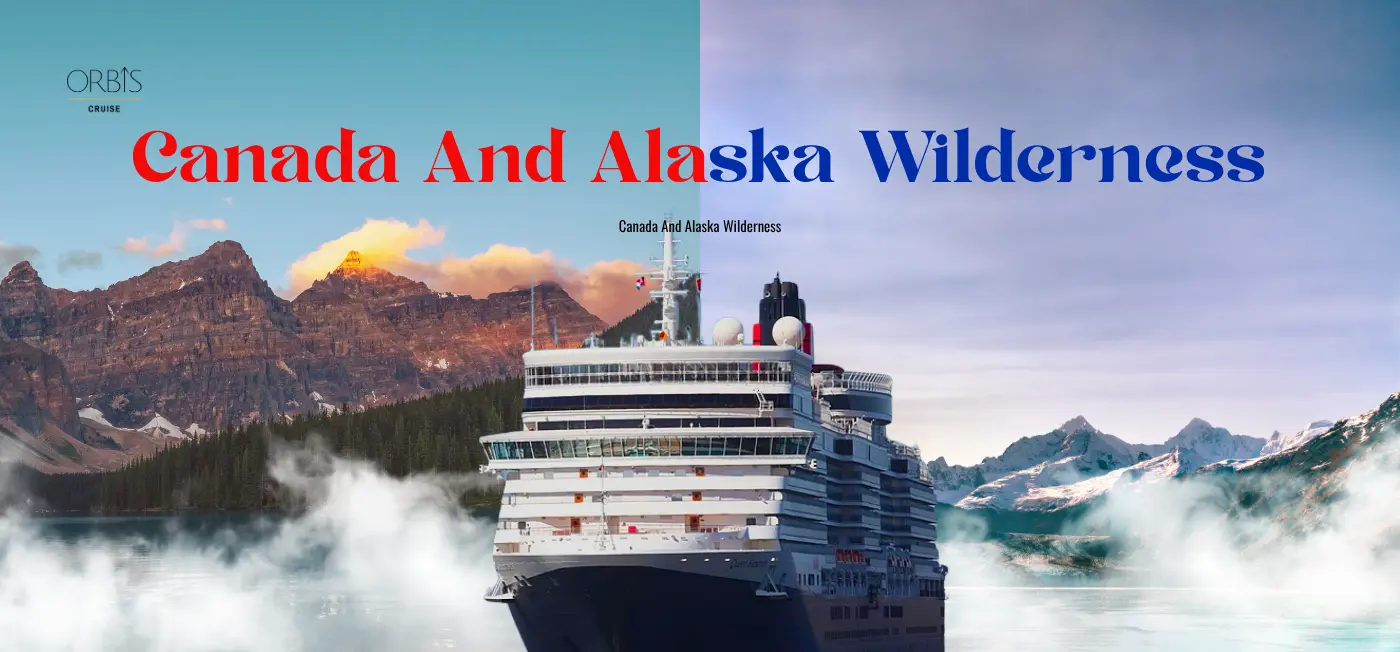
The shift here is immediate. Coastal cities give way to glacier fields, dense forests, and open wilderness. Alaskan cruising focuses less on cities and more on scale. Mountains rise sharply beside the water, and ice moves slowly across fjords.
What sets this route apart is its combination. Rail journeys through the Canadian Rockies merge seamlessly with coastal cruising.
• Banff’s glacial lakes shift colours depending on mineral content.
• Jasper offers one of the largest accessible dark sky preserves.
• Juneau remains one of the few US capitals not accessible by road.
• Glacier Bay contains active tidewater glaciers that regularly calve into the sea.
These are not brief stops. They are experiences that unfold gradually.
• Long-haul travellers seeking immersive landscapes.
• Scenic travellers looking for the best cruise experience beyond cities.
• Multi-generational families interested in nature and wildlife.
Extended itineraries often offer better value per day. Explore bundled rail and cruise options for a more complete journey.
Next, the journey moves into Northern Europe, where silence and scale define the experience.
Northern Europe has seen a strong rise in cruise interest, especially among travellers looking for slower, more immersive journeys. Fjord cruising stands at the centre of this trend.
Norway continues to invest in sustainable tourism, with new policies planned for 2026 to manage visitor impact and preserve natural environments.
The pace changes here. Water becomes the main road, and movement feels almost still.
• Stavanger’s old town preserves wooden houses dating back to the eighteenth century.
• Olden connects directly to the Briksdal Glacier within a national park.
• Hellesylt’s waterfall runs through the centre of the village itself.
• Haugesund celebrates Viking heritage with annual festivals.
Ports appear quietly, often surrounded by cliffs that rise straight out of the water.
• Solo travellers seeking reflective journeys.
• Couples looking for scenic depth.
• Travellers exploring a Nordic cruise with a slower pace.
Shorter seven-night sailings offer a strong introduction to this region. Check our Norwegian Fjords Deal for the best value.
The next route shifts back to Europe, but with a very different rhythm.
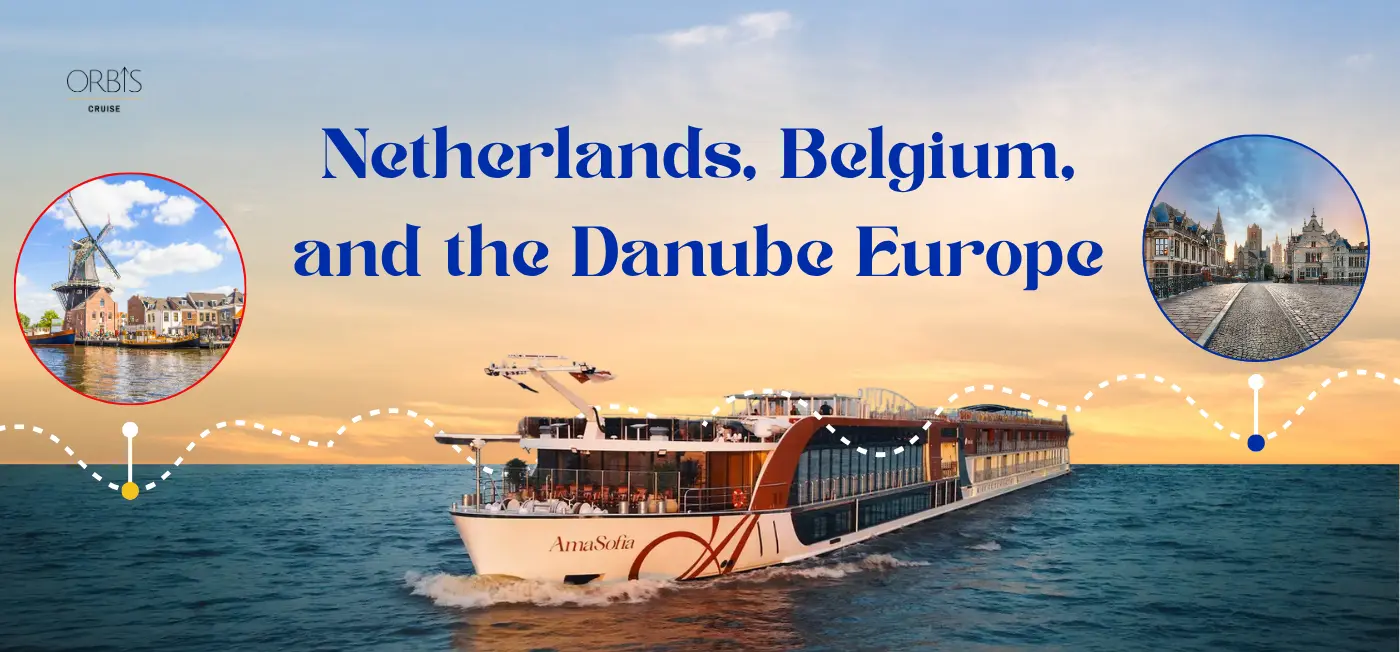
River cruising changes how Europe is experienced. Cities appear gradually along waterways rather than through busy transport hubs. A multi-destination cruise across this region connects several countries without constant packing and movement.
This route focuses on access and continuity.
• Amsterdam’s canal system stretches over one hundred kilometres.
• Vienna’s musical history still shapes cultural performances today.
• Budapest’s Parliament dominates the Danube skyline.
• Belgian towns preserve medieval squares and artisan traditions.
Ships dock within city centres, allowing immediate exploration without transfers.
• Families and multi generation travellers.
• Cultural travellers seeking slower itineraries.
• Travellers are comparing vacations to go cruises across Europe.
River cruises often include guided excursions, adding value beyond the base fare.
The final journey connects continents and oceans.
Few routes match the scale of this journey. It connects the Pacific and Atlantic oceans while moving through distinct climate zones. The Panama Canal remains one of the most significant engineering achievements in global navigation, using a lock system that lifts ships over eighty feet above sea level.
This journey blends variety with continuity.
• Los Angeles offers Pacific coast culture before departure.
• Caribbean islands introduce tropical landscapes and coastal traditions.
• The Panama Canal provides a rare transit experience.
• New York arrival delivers a dramatic skyline finale.
Each stage feels different, yet the journey remains connected.
• Long-haul travellers seeking extended itineraries.
• Premium travellers are planning the best cruise experience.
• Multi-destination planners exploring large-scale routes.
Longer voyages often include added benefits such as hotel stays or onboard credits. Explore early booking options for the best availability.
Cruise travel simplifies what would otherwise be complex itineraries. Instead of managing multiple bookings, travellers experience a continuous journey shaped by carefully planned routes.
The best cruise routes in the world do more than connect destinations. They create rhythm, balance, and clarity. A multi-destination cruise allows each location to be experienced without the pressure of logistics. Each route offers something distinct. The Adriatic delivers culture. Alaska brings scale. Norway introduces stillness. European rivers offer depth. Panama connects continents. The choice depends on how you prefer to travel.
Some journeys stay with you longer than expected. Not because of one destination, but because of how the entire route unfolds. Curious which of these routes aligns with your travel style this year?
Explore current cruise itineraries and sailing dates. Your next journey might already be mapped out.
| 1B, 1st Floor, 142 Johnson Street, Southall, UB2 5FD |






 UK
UK
 US
US IN
IN
SHARE ON